
Prevent Saniflo Freezing: Winter Plumbing Tips
What Causes Saniflo Freezing?
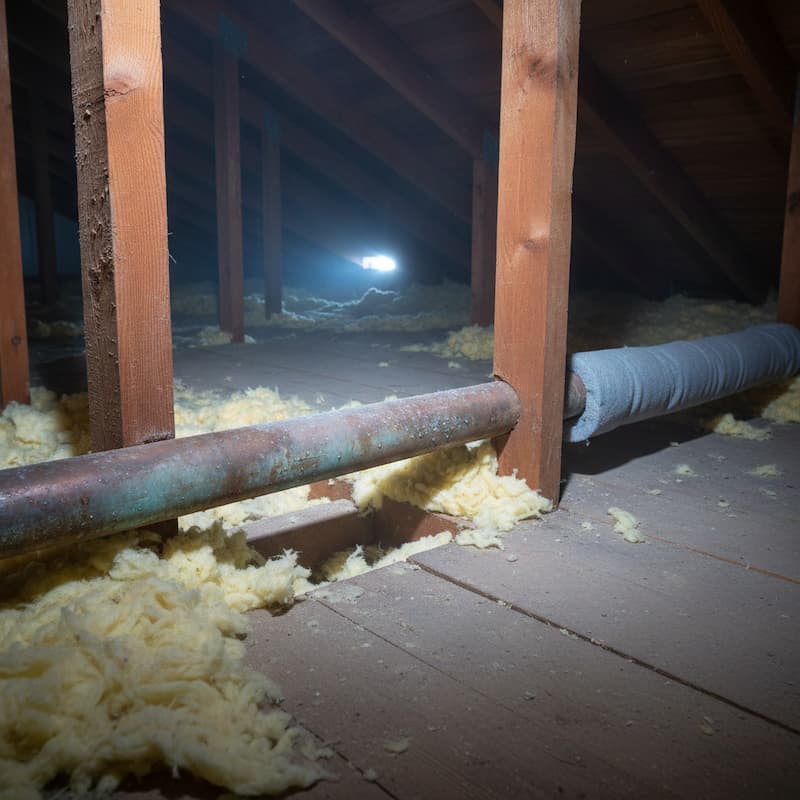
Saniflo pipes are small, so they cool down quickly. Problems usually occur where the pipework passes through unheated spaces such as lofts, exterior walls, extensions or boxed-in areas with poor airflow. If these sections drop below freezing, the pipe can ice up and stop the unit working. Most Saniflo freezing problems start in these colder sections before the user notices anything at the toilet. This is often mistaken for a frozen toilet, when in reality the discharge pipe is the part that has iced over.
You’ll usually notice early signs on cold mornings: slower flushing, the unit hesitating before it runs, or a section of pipe that feels unusually cold.
How to Prevent Saniflo Freezing
1. Insulate Exposed Pipework
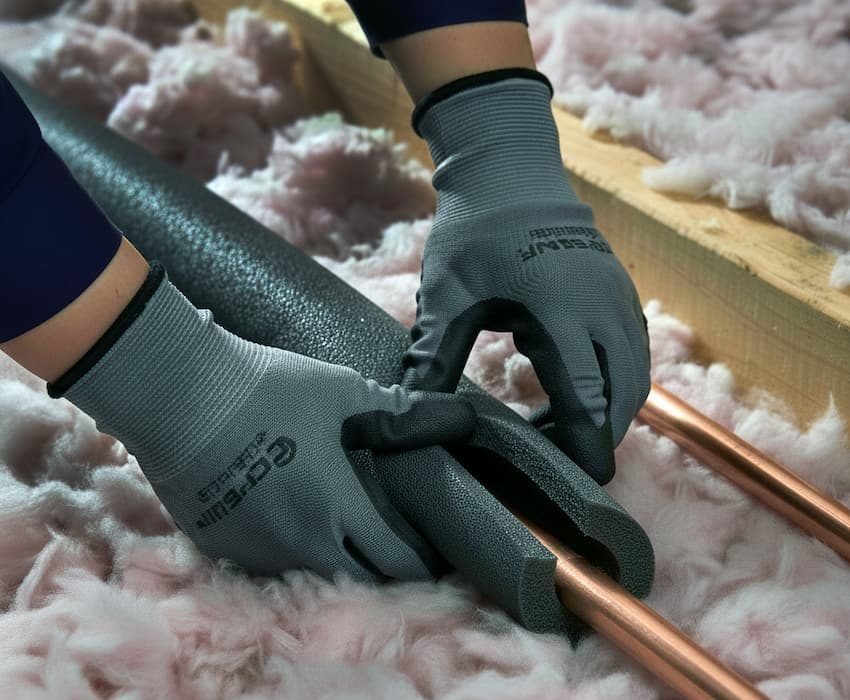
The most effective step is proper insulation. Foam sleeves help trap heat in the pipe, especially where it passes through colder rooms or exterior walls.
Tape the joins so cold air can’t creep in, and seal any gaps around the pipe exit points to stop draughts reaching the run.
2. Keep the Room Warm
A steady indoor temperature helps keep the discharge pipe above freezing. Aim for around 15°C or more during cold spells, particularly if the Saniflo sits in an extension, cloakroom or loft conversion.
Why Insulation Helps
Adding insulation creates a barrier against the cold and keeps the discharge pipe above freezing. It also reduces strain on the unit, helping it operate more efficiently and giving you peace of mind during cold spells. Saniflo’s own guidance also highlights insulation as a key way to prevent freezing.
DIY Insulation Tips
-
Use foam sleeves on any exposed pipework
-
Seal joints and gaps to keep draughts out
-
Pay extra attention to bends and fittings
-
In very cold areas, consider heat tape under the insulation for extra protection
3. Allow Airflow Around the Unit
If your Saniflo is inside a cupboard or vanity, avoid sealing it in. Leave the door slightly open so warm air can circulate. Units boxed in tightly with no airflow are much more prone to Saniflo freezing issues.
4. Turn Off the Stop Tap When Away
If you’re out of the house for a longer period in winter, turn off the main stop tap. Drain any outside taps and flush the toilet once after shutting the water off. This removes most water from the internal run and lowers the chance of it freezing while you’re away.
It’s an easy way to avoid unexpected Saniflo freezing if the weather turns while you’re not home.
How to Spot Cold-Risk Pipework
Common problem areas include lofts, boxed-in voids, garages, extensions and exterior walls.
A pipe section that feels colder than the room, sits near a draught point, or disappears into an unheated space is worth checking. These are usually the first places freezing occurs.
During cold snaps, look out for slow flushing, the unit hesitating before it runs, or a change in sound. All can indicate that part of the discharge pipe is getting too cold.
If you’ve had frozen pipework elsewhere in the property, inspect the Saniflo run too. The same cold spots often affect multiple parts of the plumbing system.
Signs Your Saniflo May Have Frozen
A frozen section of pipe usually shows itself quite quickly. The most common signs are:
-
the unit hums but nothing moves
-
the toilet water rises instead of clearing
-
the macerator does not activate at all
-
water backs up into the toilet, basin or shower tray
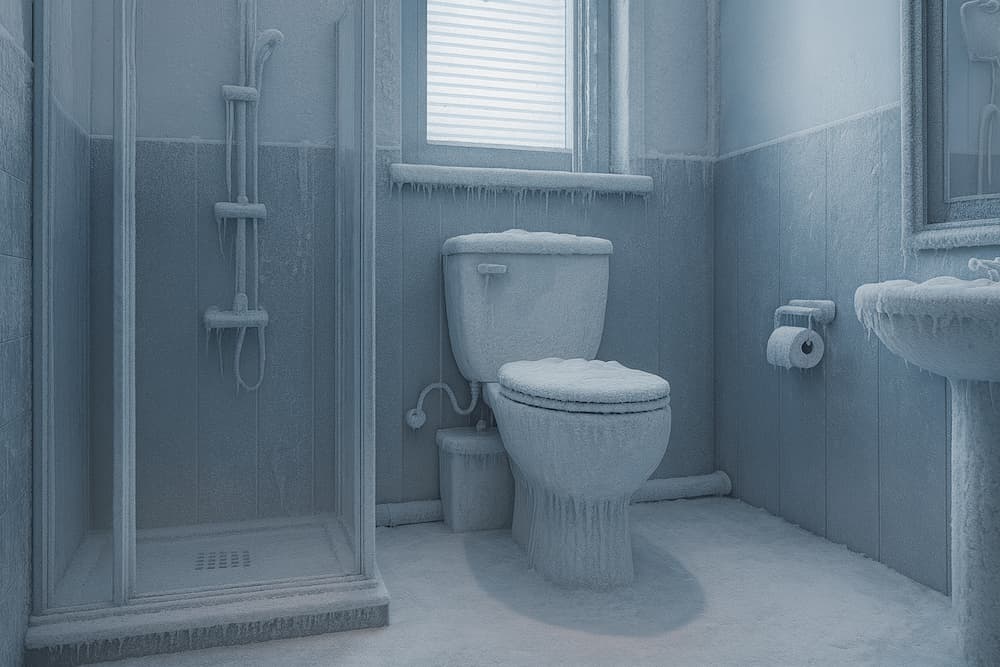
If a part of the pipe feels solid or unusually cold, that is often the cause. In many cases, what appears to be a frozen toilet is actually the Saniflo discharge pipe freezing further along the run.
What to Do If Your Saniflo Has Frozen
Switch the Saniflo off and warm the space gradually. Do not use boiling water or direct heat on the pipe, as this can cause damage. Gentle, steady warmth is safest.
Once the pipe has thawed, run warm water through the toilet or basin to check that the flow has returned. If the unit still refuses to run or any water is backing up, it is best to have it looked at rather than forcing it to operate.
A Warm Solution for Winter Woes
Taking these steps will help you navigate the winter season with confidence, knowing your Saniflo unit is well-protected against potential disruptions. Stay warm, stay efficient!
Having trouble with your Saniflo unit?
If cold pipes don’t seem to be the problem, our guide may get you back on your feet
Why is winter protection important for a Saniflo?
Cold weather can cause the Saniflo discharge pipe to freeze, which can stop the unit from pumping or make the toilet behave as if it’s blocked. Protecting the pipework from freezing helps prevent unexpected failures and avoids the common “frozen toilet” problems people experience during cold snaps.
How can I insulate my Saniflo unit for winter protection?
The best way to insulate your Saniflo pipework is to cover any exposed sections with foam pipe sleeves and seal any gaps where cold air can reach the run.
Pay particular attention to pipes on exterior walls, in lofts, garages or unheated spaces, as these are most at risk of saniflo freezing. Foam insulation helps keep the pipe above freezing temperature and reduces the chance of winter blockages.
What temperature should I maintain in my home during winter to protect my Saniflo?
Aim to keep your home at a steady temperature of around 15°C or higher during winter, especially if you’re away. This helps prevent the Saniflo discharge pipe from getting cold enough to freeze.
Keep doors and windows closed to avoid draughts, and leave cupboard doors slightly open around concealed units to improve airflow.
Should I shut down water when leaving for an extended period during winter?
Yes. Turn off the main stop tap and drain any external taps before leaving for an extended period. This helps prevent frozen pipework and reduces the risk of leaks or flooding while you’re away.
Keeping the water off during inspections or long absences adds an extra layer of protection against saniflo freezing issues.
Can I use any type of insulation for my Saniflo pipes?
Foam pipe insulation sleeves are the best option, as they’re designed to keep pipework above freezing and fit properly around Saniflo discharge pipes.
Some people use pool noodles as a DIY alternative, but they don’t seal as well and leave gaps where cold air can reach the pipe, so they’re not ideal for preventing saniflo freezing issues.
In very cold areas, heat tape can be added for extra protection, as long as it’s suitable for your system.
What should I do if I suspect my Saniflo unit or pipes have already frozen?
If you suspect the Saniflo or its pipework has frozen, turn the unit off and don’t try to force it to run. Warm the room gradually and let the pipes thaw naturally – avoid using boiling water or direct heat.
Once thawed, run warm water to check the flow. If the unit still won’t start or water is backing up, it’s best to have it inspected to prevent any damage.